Collegiate Cycling
Interested in racing bikes in college? Here’s everything you need to get started.
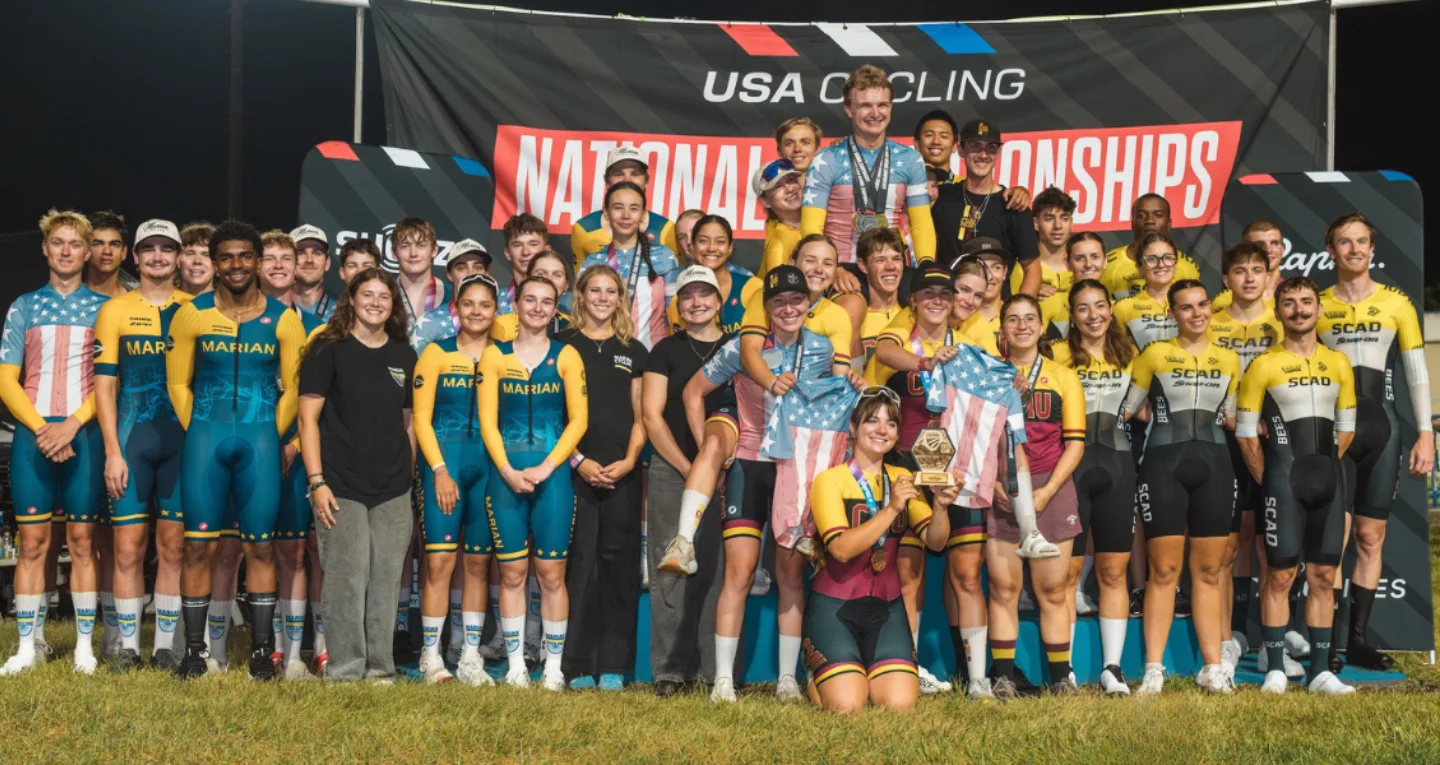
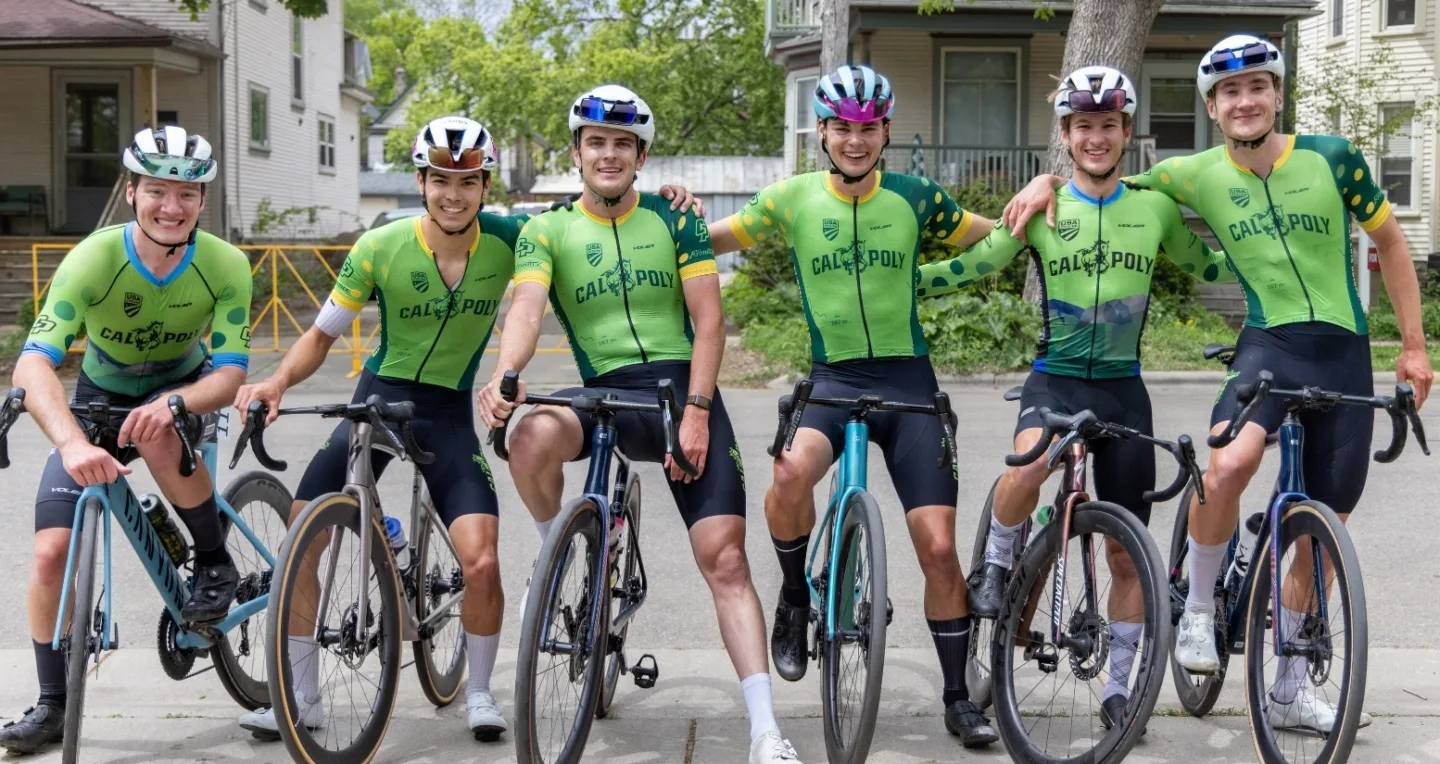
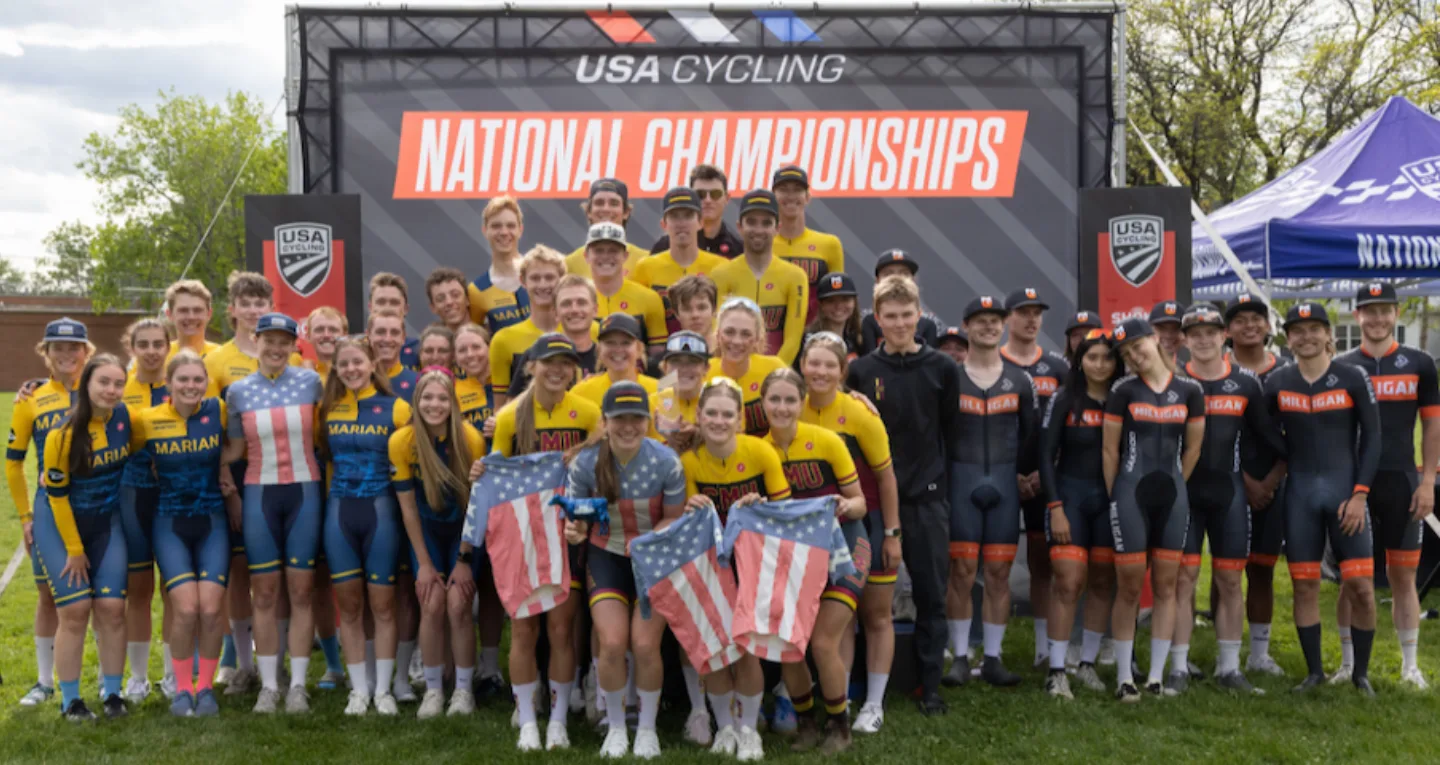
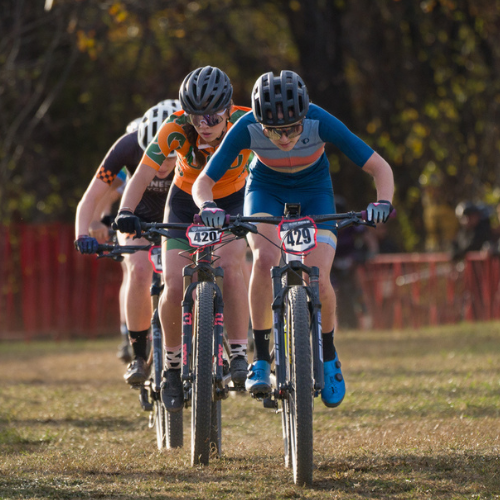
Collegiate cycling is where academics and athletics come together, offering student-athletes the chance to compete while pursuing their degree. The program is open to both varsity and club teams from colleges and universities across the country. With six disciplines, Road, Mountain Bike, Cyclocross, BMX, Track, and Gravel, there’s a place for every type of rider. From local conference events to National Championships, collegiate cycling provides the structure, community, and competition to help you grow on and off the bike.
How Collegiate Cycling Works
Collegiate cycling is built around regional racing and national competition. Riders race as part of a college or university team, either varsity or club, and compete in one or more of six disciplines.
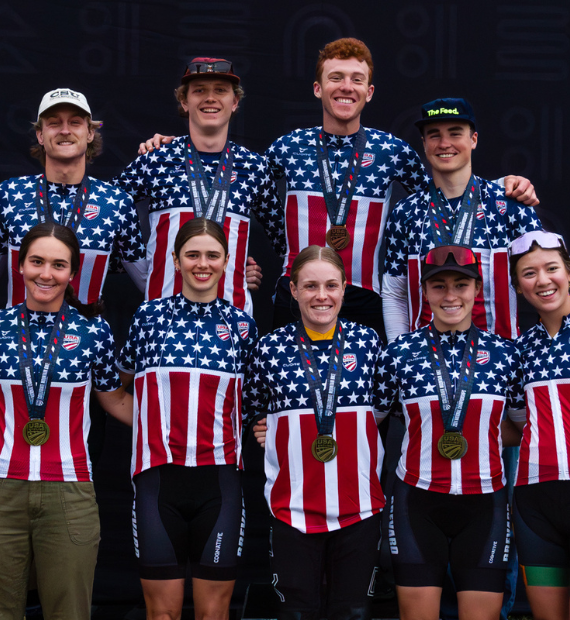
Collegiate cycling teams fall into two main categories: varsity and club. Both types of teams race within the same conferences and compete for national titles, but they differ in how they’re operated.
To be eligible, student-athletes must be enrolled full-time at their college or university, and the team must be registered with USA Cycling. Teams are scored as a whole, encouraging collaboration and school pride. Whether you’re racing for fun or gunning for a stars-and-stripes jersey, collegiate cycling is a pathway to competition, community, and personal growth.
Fall
Track (August–September): Features individual and team events, as well as head-to-head racing, with the season concluding at Collegiate Track National Championships.
Mountain Bike (August–October): Features Cross-Country, Short Track, Downhill, Dual Slalom, and Team Relay events, concluding with the Collegiate Mountain Bike National Championships.
Winter
Cyclocross (November–December): Collegiate races run alongside the broader cyclocross calendar, with individual collegiate categories and the team relay contested at the USA Cycling Cyclocross National Championships.
BMX (January-March): Collegiate races are integrated into the broader USA BMX calendar, with the Collegiate BMX National Championship held during a designated USA BMX event weekend.
Spring
Gravel (March-May): A season of long off-road racing that culminates with the Collegiate Gravel National Championships.
Road (March-May): Features Road Races, Criteriums, and Individual and Team Time Trials, concluding with the Collegiate Road National Championships at the end of the school year.
Riders and teams qualify for Collegiate Nationals based on points earned during their conference’s regular season races.
Starting October 21, 2025, collegiate cycling will align athlete categories with their license categories. The traditional A–D system will no longer be used.
Collegiate Calendars by Discipline
COLLEGIATE CONFERENCES
Click on the state where your school is located (the color of your state corresponds to the conference you’ll be competing in.
Collegiate cycling is divided into 11 regional conferences. Each conference hosts races that lead up to Collegiate Nationals. Each conference also has a Conference Director, who will be your main point of contact during the season.
CLICK BELOW TO EXPLORE YOUR CONFERENCE
Conference | Director | |
Atlantic (ACCC) | Kyle Helson | kyle.helson@gmail.com |
Eastern (ECCC) | Flyyn Leonard | flyyn@ecc-cycling.com |
Intermountain (IMCCC) | Betsy Marsh | betsyamarsh@gmail.com |
Midwest (MWCCC) | David Alexander | david.w.alexander@mwccc.org |
North Central (NCCCC) | VACANT | collegiate@usacycling.org |
Northwest (NWCCC) | VACANT | collegiate@usacycling.org |
Rocky Mountain (RMCCC) | VACANT | collegiate@usacycling.org |
Southeast (SECCC) | Michael Souers | michael.souers@mwccc.org |
South Central (SCCCC) | Ben Davis | gforceben@gmail.com |
Southwest (SWCCC) | Joey Iuliano | jiuliano88@gmail.com |
Western (WCCC) | Kyle Stewart | wccc.usac.directors@gmail.com |
Additional Information
Click the cards below to learn more
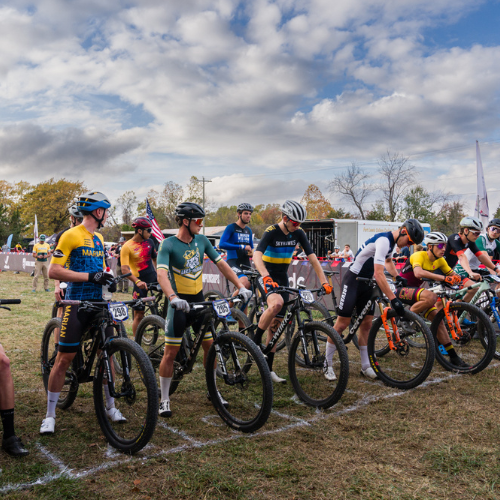
Getting Started With USA Cycling
Contact Us
If you're building a new program, or have questions about a former program, reach out! You can contact our collegiate department at collegiate@usacycling.org.
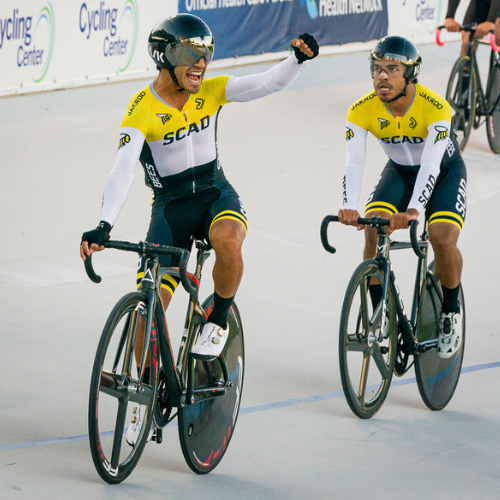
Collegiate All-Star Program
LEARN MORE
Recognizing top collegiate athletes and supporting their next step from collegiate racing into elite level competition.
Learn more at https://usacycling.org/college/collegiate-all-star-program
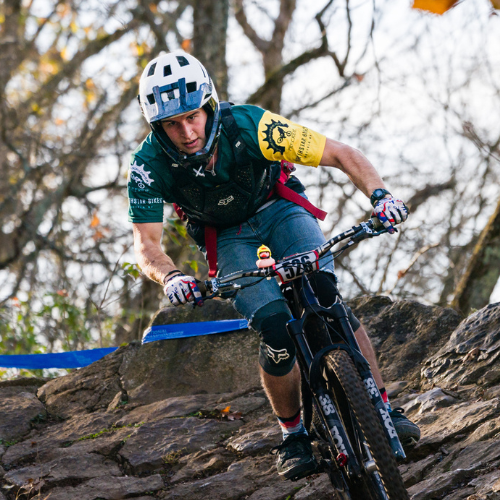
BECOME A MEMBER & BUY A LICENSE
JOIN NOW
A race license gives student-athletes access to race in conference and national-level events, compete for their school, and be part of the collegiate cycling community.
Join Now: https://usacycling.org/member
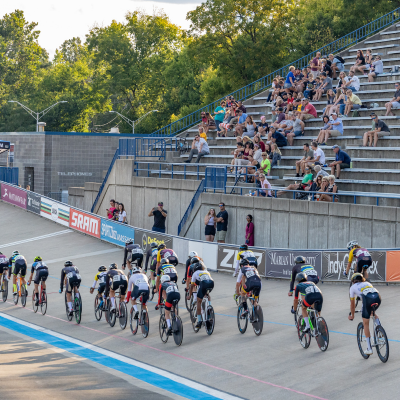
VARSITY PROGRAMS
LEARN MORE
Learn more about the Varsity teams that compete in the United States by clicking below.
Learn More: https://usacycling.org/article/meet-usa-cycling-collegiate-varsity-teams
Foundation Scholarship Opportunities
APPLY NOW
The USACF offers scholarships to support student-athletes pursuing both academic and athletic excellence.
Apply Now: https://usacycling.org/foundation/college-scholarships